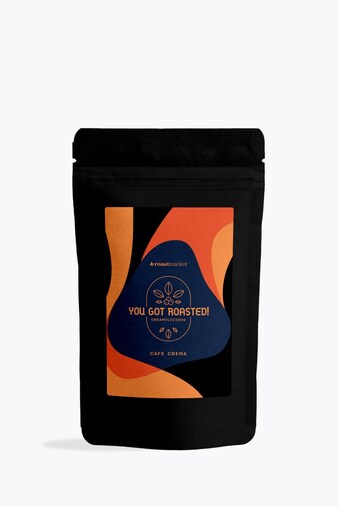


roastmarket you got roasted
roastmarket you got roasted! Cafe Crema Creamylicious Organic 250g
40,00 zł
160,00 zł / 1 kg
roastmarket you got roasted
roastmarket you got roasted! Cafe Crema Creamylicious Organic 250g
40,00 zł
160,00 zł / 1 kg
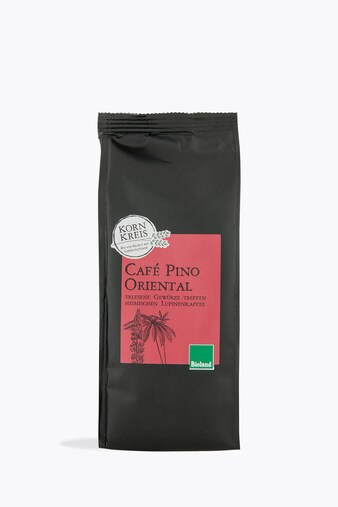

Kornkreis
Kornkreis Café Pino Oriental Lupin Coffee Organic 250g Ground
20,00 zł
80,00 zł / 1 kg
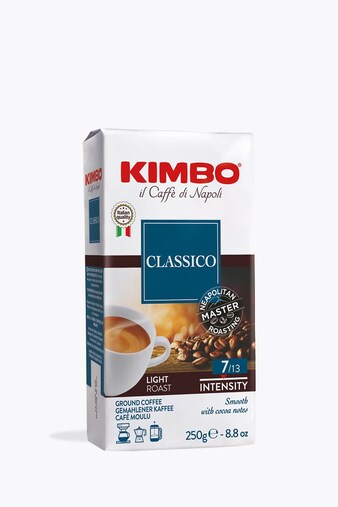

Kimbo
Kimbo Classico 250g Ground
22,00 zł
88,00 zł / 1 kg
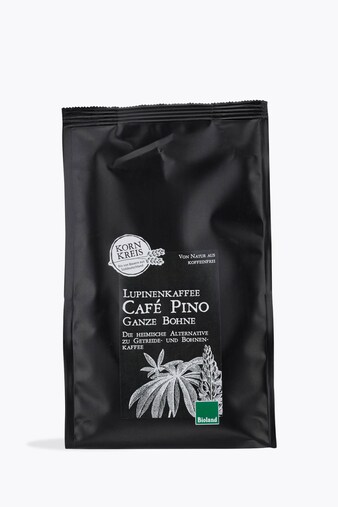

Kornkreis
Kornkreis Café Pino Lupine Coffee Organic 500g
30,00 zł
60,00 zł / 1 kg
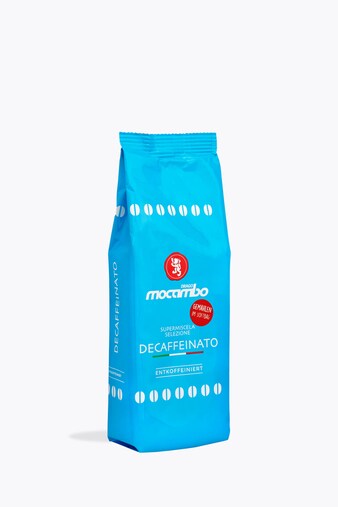

Drago Mocambo
Drago Mocambo Decaffeinato ground 250g
34,00 zł
136,00 zł / 1 kg
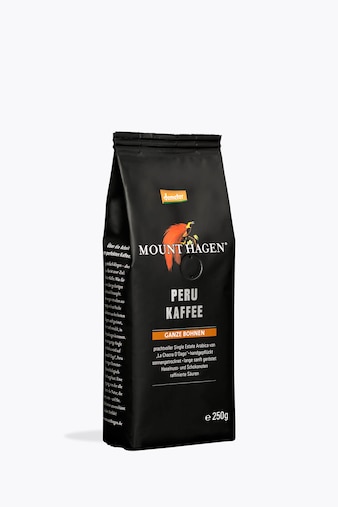


Mount Hagen
Mount Hagen Peru Coffee Organic 250g
32,00 zł
128,00 zł / 1 kg
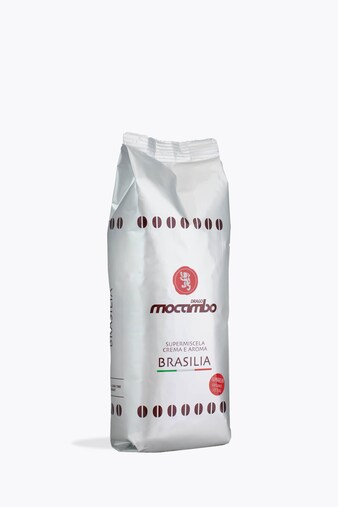

Drago Mocambo
Drago Mocambo Brasilia 250g ground
27,00 zł
108,00 zł / 1 kg
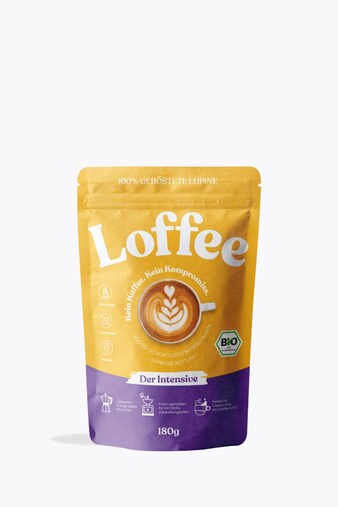


Loffee
Loffee The Intense Lupin Coffee Organic 180g Ground
14,00 zł
77,78 zł / 1 kg
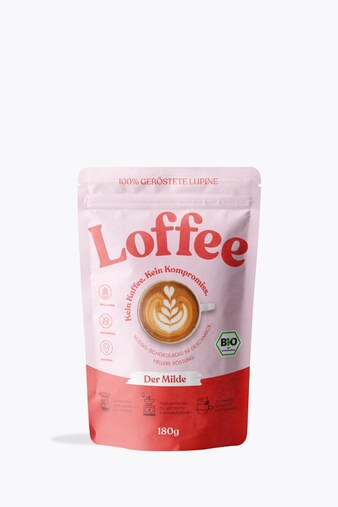

Loffee
Loffee The Mild Lupine Coffee Organic 180g Ground
14,00 zł
77,78 zł / 1 kg
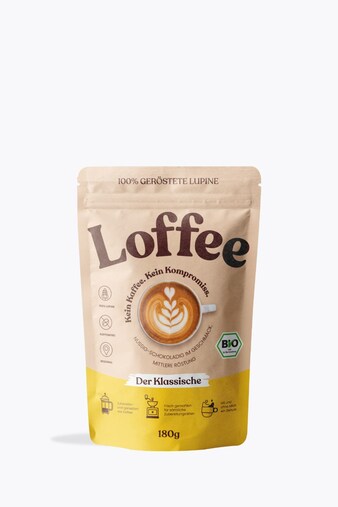


Loffee
Loffee The Classic Lupin Coffee Organic 180g ground
14,00 zł
77,78 zł / 1 kg
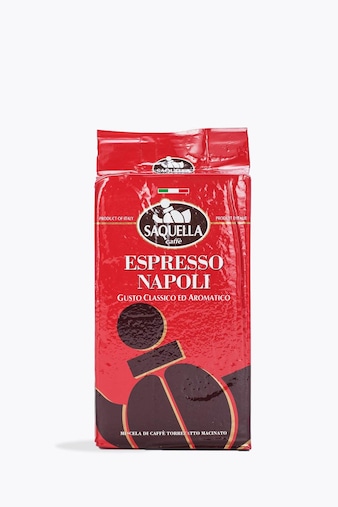

Saquella Caffè
Saquella Espresso Napoli 250g ground
24,00 zł
96,00 zł / 1 kg
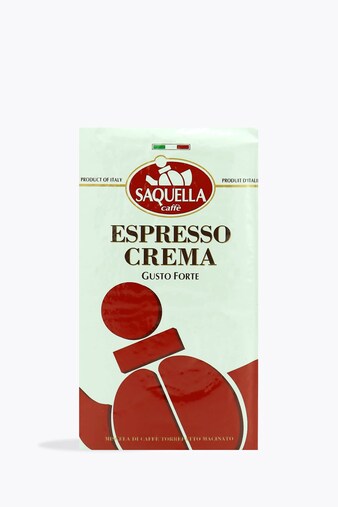

Saquella Caffè
Saquella Espresso Crema 250g ground
24,00 zł
96,00 zł / 1 kg
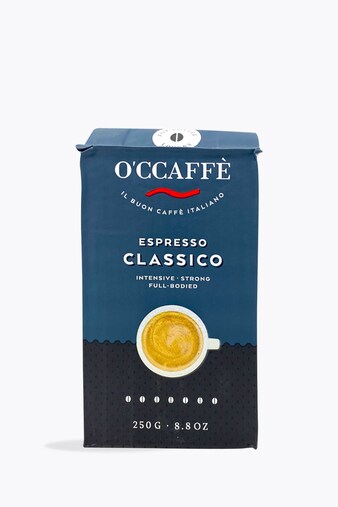

O'ccaffè
O'ccaffè Espresso Classico 250g ground
22,00 zł
88,00 zł / 1 kg
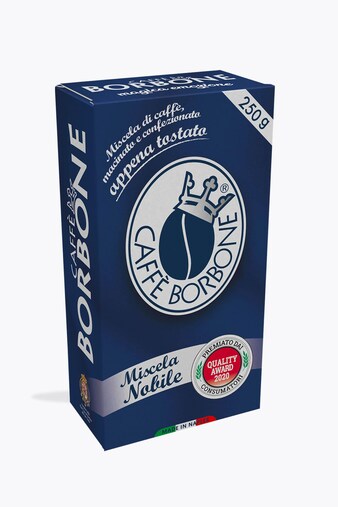

Caffè Borbone
Caffè Borbone Bag 250g Ground
24,00 zł
96,00 zł / 1 kg
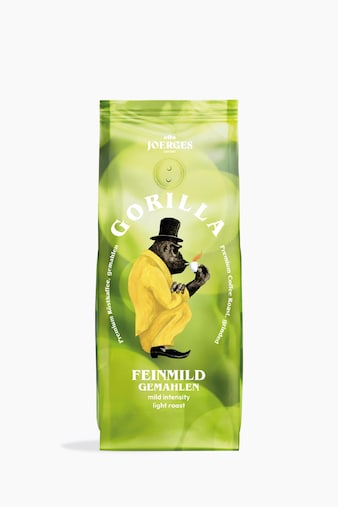

Gorilla
Gorilla Mild 500g Ground
51,00 zł
102,00 zł / 1 kg
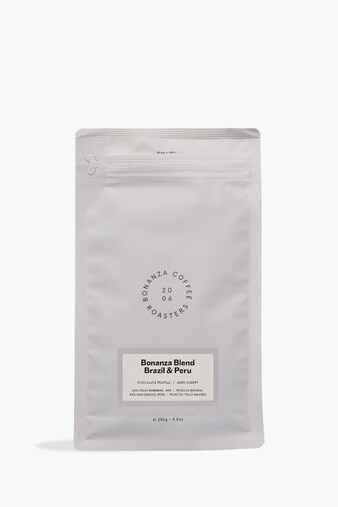

Bonanza
Bonanza Blend Brazil & Peru 250g
51,00 zł
204,00 zł / 1 kg
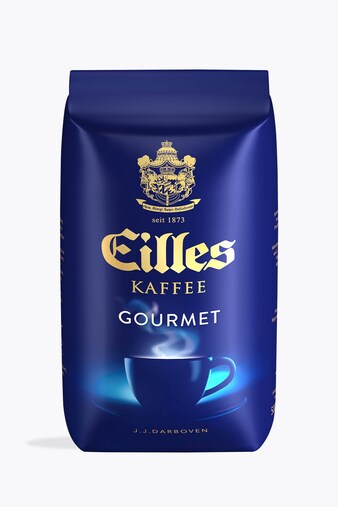

Eilles Kaffee
Eilles Kaffee Gourmet Coffee 500g
51,00 zł
102,00 zł / 1 kg
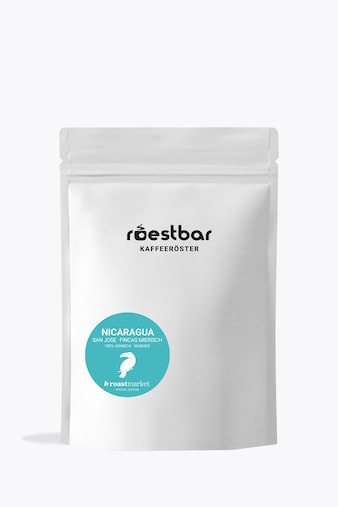

roestbar
roestbar Nicaragua Fincas Mierisch Special Edition 250g
40,00 zł
160,00 zł / 1 kg
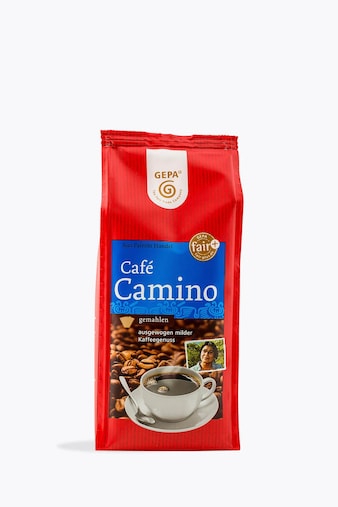

GEPA
GEPA Cafe Camino 250g ground
30,00 zł
120,00 zł / 1 kg
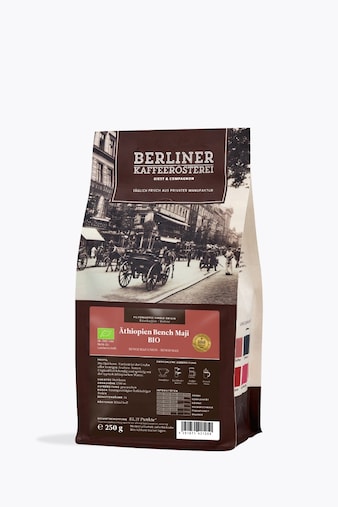


Berliner Kaffeerösterei
Berliner Kaffeerösterei Ethiopia Bench Maji Organic 250g
36,00 zł
144,00 zł / 1 kg
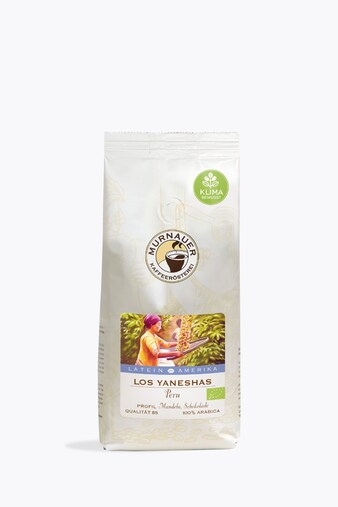


Murnauer
Murnauer Los Yaneshas Peru Organic 250g
34,00 zł
136,00 zł / 1 kg
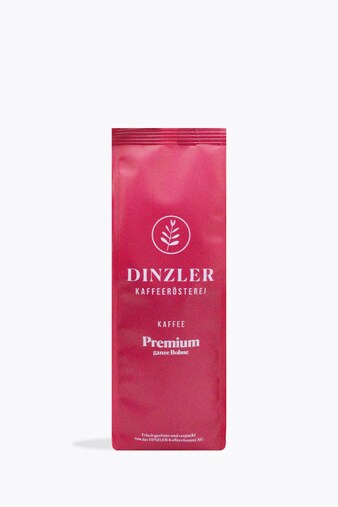
Dinzler
Dinzler Coffee Premium 250g
40,00 zł
160,00 zł / 1 kg
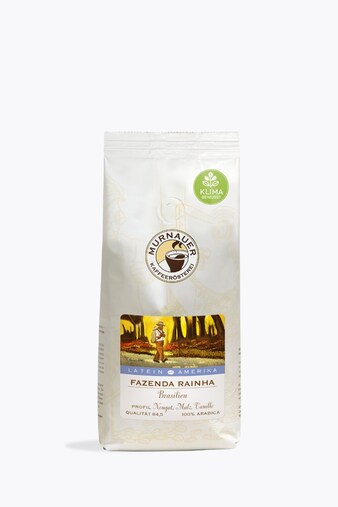


Murnauer
Murnauer Fazenda Rainha Brazil 250g
34,00 zł
136,00 zł / 1 kg
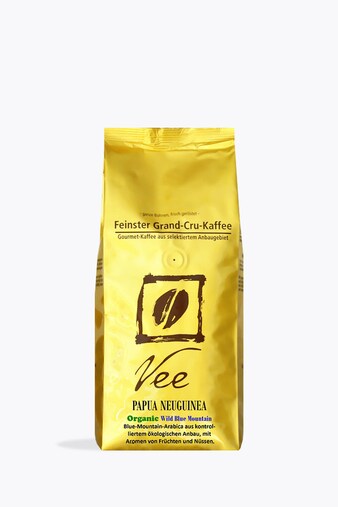


Vees
Vee's Papua New Guinea Organic Wild Blue Mountain 250g
36,00 zł
144,00 zł / 1 kg
Pour over coffee turns manual brewing into a precise way to shape clarity, balance, and aroma in the cup. Controlled pouring, fresh grinding, and a defined brew time make this method especially valuable for coffees with layered flavor and a more transparent profile. Instead of relying on automation, pour over highlights how grind size, water flow, and extraction interact. That makes it a strong choice for coffee drinkers who want a cleaner cup, more definition between flavor notes, and a brewing routine that puts quality and technique at the center.
:format(webp))
Choosing pour over coffee often starts with the relationship between bean profile and brewing style. Lighter and medium roasts are common when the goal is more brightness, floral character, or fruit-driven complexity, while balanced medium roasts can create a rounder and sweeter cup. The brewer itself also changes the result. A classic hand filter can emphasize precision and speed, a Chemex often supports extra clarity, and other manual brewers can shift body and texture in a different direction. Paper type, water distribution, and whether the coffee is brewed as a single cup or a larger batch all influence how the same beans perform.
Buying guidance for pour over coffee should focus on bean freshness, roast profile, grinder quality, and the practical fit between coffee and equipment. Freshly ground whole beans are usually the strongest starting point because they give more control over extraction than pre-ground coffee. A reliable coffee grinder helps create the even particle size this method depends on, while a scale and a kettle with steady pouring control make repeatable brewing easier. Material also matters. Ceramic, glass, and metal brewers each support a different workflow, and the right filter coffee accessories setup often has as much influence on consistency as the beans themselves.
:format(webp))
roastmarket supports pour over decisions by connecting brewing habits with matching coffees, brewers, grinders, and accessories rather than reducing the choice to a single flavor claim. That makes it easier to compare coffees for pour over, refine a manual brewing routine with the right pour-over brewers, and add practical tools such as electric kettles, coffee scales, and storage solutions that protect freshness. A setup can also be broadened through related brewing styles such as French Press, AeroPress, or filter coffee for a more complete view of manual coffee preparation.
Pour over coffee is a manual brewing method where hot water is poured slowly over ground coffee in a hand filter. The technique gives more control over extraction, which helps shape clarity, balance, and flavor intensity in the final cup. It is often chosen for coffees with more nuanced aroma and a cleaner profile.
Pour over coffee is often paired with light to medium roasts because these profiles can show more detail in the cup. Freshly roasted whole beans with a clear flavor profile are usually a strong match, especially when the grinder allows precise adjustment. The best choice depends on whether the goal is more brightness, sweetness, or body.
A medium grind is the usual starting point for pour over coffee, but the exact setting depends on brewer shape, paper type, dose, and brew time. If the coffee tastes thin and under-extracted, a slightly finer grind may help. If it tastes heavy or harsh, a slightly coarser grind can create more balance.
A stable pour over setup usually includes a hand filter, filter paper, a burr grinder, a kettle with controlled pouring, and a coffee scale. These tools help create a more even extraction and make it easier to repeat the same recipe. Equipment choice affects consistency as much as the coffee itself.
Pour over coffee appeals to people who want more influence over how a coffee tastes in the cup. The method can highlight clarity, aroma, and finer flavor differences while turning brewing into a deliberate routine. It is especially useful when the goal is to compare beans, roast styles, and extraction choices more closely.
The coffee world is constantly evolving. Current trends include Cold Brews, where coffee is extracted cold over many hours, resulting in a particularly smooth finish. "Light Roasts" with fruity notes and "Micro Roasts" from small specialty roasters are also enjoying great popularity. These trends invite experimentation and continually offer new taste experiences.


