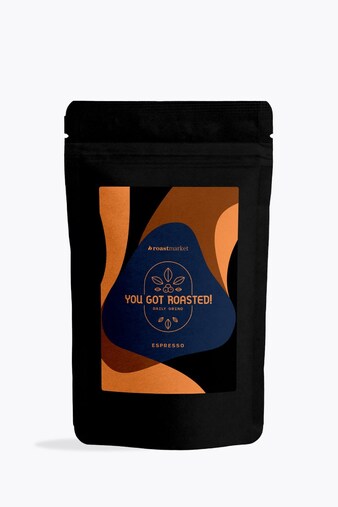


roastmarket you got roasted
roastmarket you got roasted! Espresso Daily Grind Organic 500g
71,00 zł
142,00 zł / 1 kg
roastmarket you got roasted
roastmarket you got roasted! Espresso Daily Grind Organic 500g
71,00 zł
142,00 zł / 1 kg
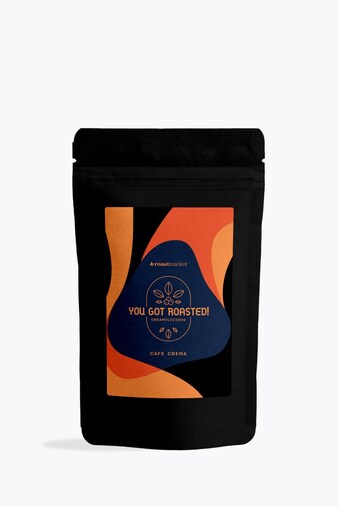


roastmarket you got roasted
roastmarket you got roasted! Cafe Crema Creamylicious Organic 250g
40,00 zł
160,00 zł / 1 kg
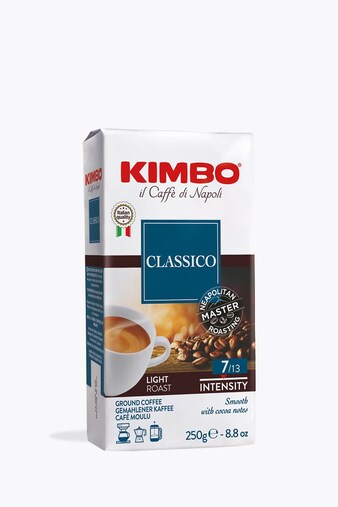

Kimbo
Kimbo Classico 250g Ground
22,00 zł
88,00 zł / 1 kg


Gorilla
Gorilla Espresso Impianto 250g
38,00 zł
152,00 zł / 1 kg
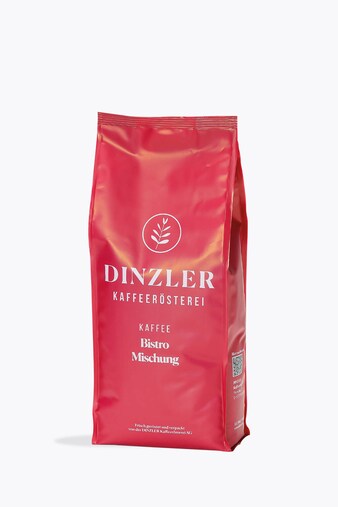


Dinzler
Dinzler Bistro Blend 250g
40,00 zł
160,00 zł / 1 kg
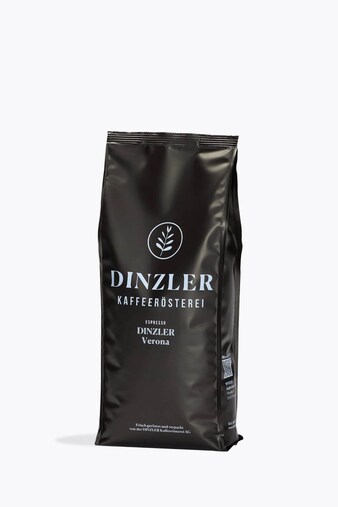


Dinzler
Dinzler Espresso Dinzler Verona 250g
40,00 zł
160,00 zł / 1 kg
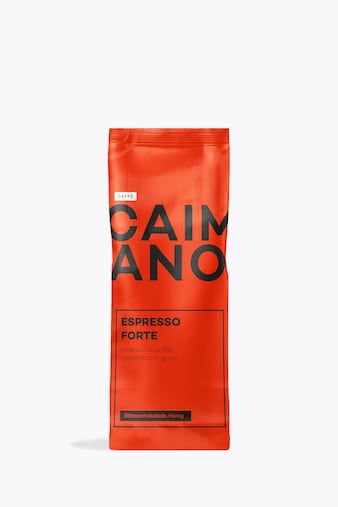


Caffè Caimano
Caffè Caimano Espresso Forte 250g
36,00 zł
144,00 zł / 1 kg
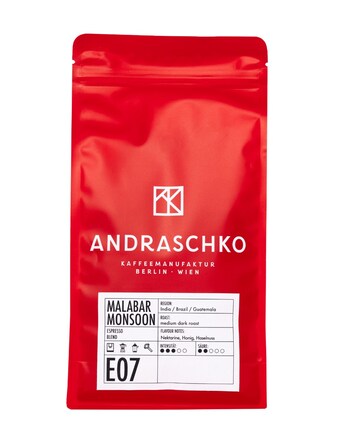


Andraschko
Andraschko Malabar Monsoon Espresso Blend 250g
38,00 zł
152,00 zł / 1 kg
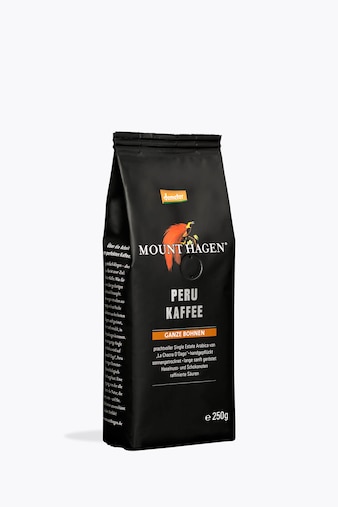


Mount Hagen
Mount Hagen Peru Coffee Organic 250g
32,00 zł
128,00 zł / 1 kg
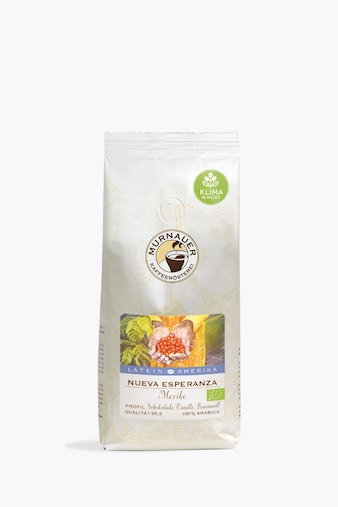


Murnauer
Murnauer Nueva Esperanza Mexico Organic 250g
36,00 zł
144,00 zł / 1 kg
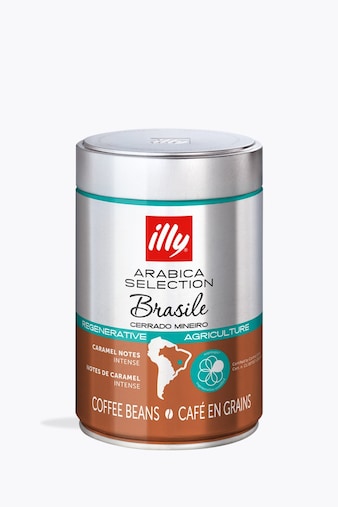

illy
illy Cerrado Mineiro Brazil 250g
36,00 zł
144,00 zł / 1 kg
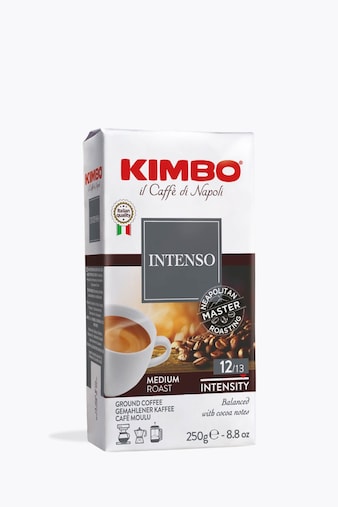

Kimbo
Kimbo Intenso 250g ground
23,00 zł
92,00 zł / 1 kg
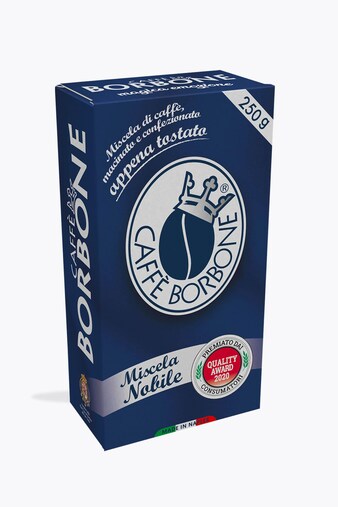

Caffè Borbone
Caffè Borbone Bag 250g Ground
24,00 zł
96,00 zł / 1 kg
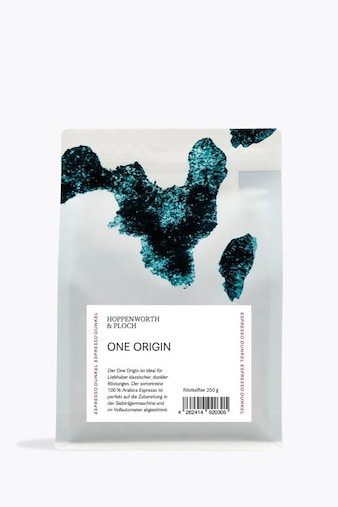


Hoppenworth & Ploch
Hoppenworth & Ploch One Origin Espresso 250g
47,00 zł
188,00 zł / 1 kg
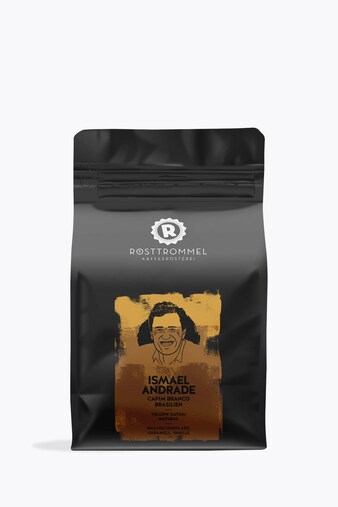


Rösttrommel Kaffeerösterei
Roasting Drum Ismael Andrade 250g
55,00 zł
220,00 zł / 1 kg
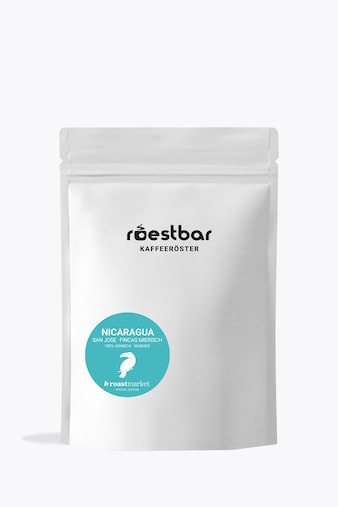

roestbar
roestbar Nicaragua Fincas Mierisch Special Edition 250g
40,00 zł
160,00 zł / 1 kg
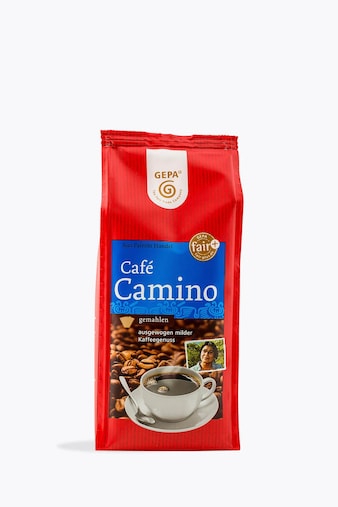

GEPA
GEPA Cafe Camino 250g ground
30,00 zł
120,00 zł / 1 kg
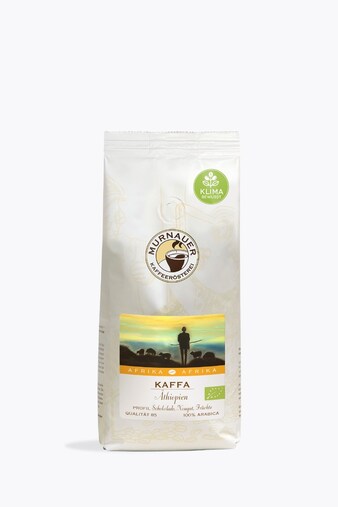


Murnauer
Murnauer Kaffa Ethiopia Organic 250g
36,00 zł
144,00 zł / 1 kg
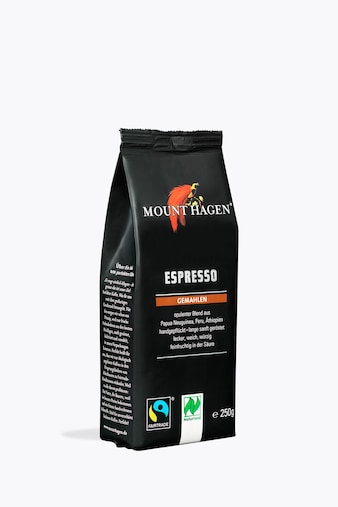

Mount Hagen
Mount Hagen Espresso Organic 250g Ground
31,00 zł
124,00 zł / 1 kg
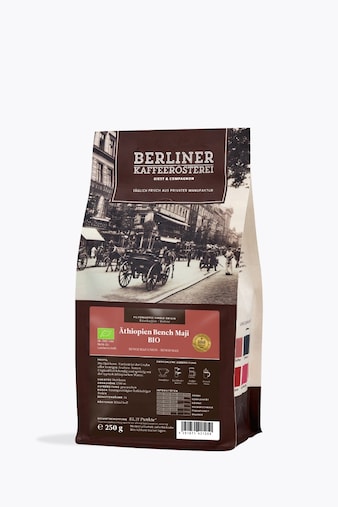


Berliner Kaffeerösterei
Berliner Kaffeerösterei Ethiopia Bench Maji Organic 250g
36,00 zł
144,00 zł / 1 kg
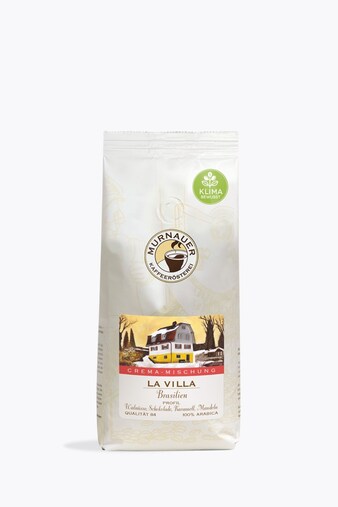


Murnauer
Murnauer La Villa 250g
34,00 zł
136,00 zł / 1 kg
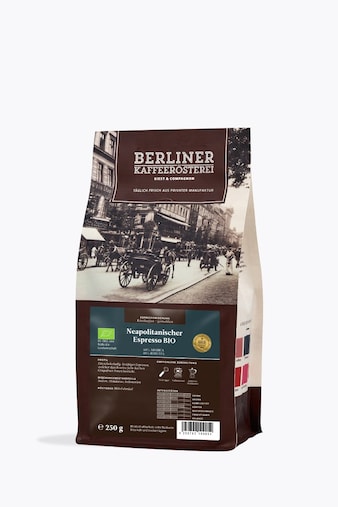


Berliner Kaffeerösterei
Berliner Kaffeerösterei Neapolitan Espresso Organic 250g
36,00 zł
144,00 zł / 1 kg
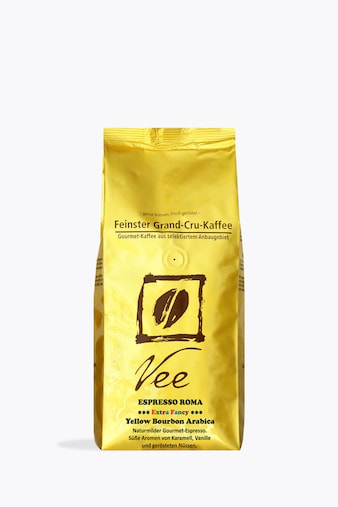


Vees
Vee's Espresso Roma Extra Fancy 250g
40,00 zł
160,00 zł / 1 kg
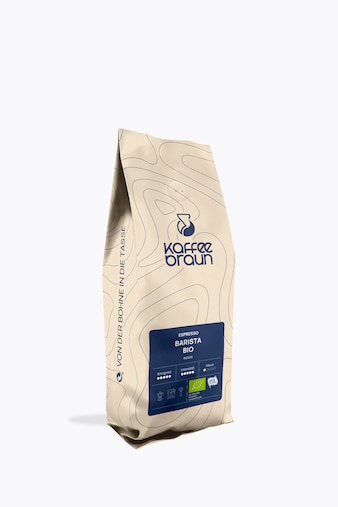


Kaffee Braun
Kaffee Braun Barista Organic 250g
30,00 zł
120,00 zł / 1 kg
Coffee for fully automatic coffee machines works best when roast level, bean structure, and extraction style match the way these machines brew. Short contact time, built-in grinders, and one-touch recipes call for beans that develop body, crema, and clear flavor without creating unnecessary buildup in the grinder. Darker espresso roasts and balanced medium-dark blends are often the most reliable choice for a round cup, a richer mouthfeel, and better results across espresso, caffè crema, and milk-based drinks. Shiny or heavily coated beans can interfere with the workflow, while well-roasted whole beans help maintain a more consistent routine from hopper to cup.
:format(webp))
Different bean profiles suit different fully automatic setups. Arabica-led blends often bring a softer, more layered profile with sweetness and fine aroma notes, while a higher Robusta share can increase crema, intensity, and structure in milk drinks. A smooth espresso roast may suit smaller, concentrated drinks, while a balanced cafè crema style can be the better match for larger cups. Flavor preferences also shape the choice, whether the goal is deeper chocolate notes, rounded nutty notes, or a sweeter profile with more softness. Tasting sets are useful when one machine needs to cover espresso, lungo-style drinks, and milk-based coffee without switching beans constantly.
Buying guidance for this product field should focus on roast quality, bean condition, and compatibility with the grinder and brew unit. Beans for fully automatic coffee machines should be roasted evenly and remain dry to the touch rather than oily on the surface. That supports smoother grinding and more stable extraction over time. Blend ratio, roast depth, and cup profile matter more than broad origin storytelling alone, because the machine’s workflow tends to reward coffees with body, sweetness, and a controlled acidity profile. Storage matters too. Fresh beans keep their character longer in airtight, opaque coffee canisters, and the machine itself performs more consistently when paired with regular cleaning and care.
:format(webp))
A more precise choice becomes easier when coffee is compared through preparation style, roast level, and flavor direction instead of vague category language. roastmarket supports that decision with coffees tailored to different routines, from classic coffee for fully automatic coffee machines to options for espresso machines, moka pots, pour over, and French Press. A setup can be refined further with matching fully automatic coffee machines, dedicated coffee grinders, practical accessories, and curated tasting sets for comparing styles before committing to a regular bean
Coffee for fully automatic coffee machines usually performs best with medium-dark to dark roasts that build body, crema, and clear flavor in a short extraction. Dry-surface beans are often the safer choice because they support a cleaner grinding workflow than very oily beans. Balanced espresso blends and caffè crema style roasts are especially common for this machine type.
Heavily oily or coated beans are often less practical for fully automatic coffee machines because they can leave more residue in the grinder and brew path. Very light roasts can also be more difficult to balance in a machine that offers less manual control over extraction. Even roast development, dry bean surface, and a flavor profile with body and sweetness are usually more dependable.
Coffee for fully automatic coffee machines is often roasted to deliver more body, crema, and depth in a shorter brewing process, while filter coffee is usually matched to longer extraction and a different flavor balance. Fully automatic coffee commonly leans toward espresso-style or caffè crema style roasts, whereas filter coffee often highlights a lighter, more open cup profile.
roastmarket helps with selection by making it easier to compare coffees by preparation method, roast style, flavor profile, and related equipment. That means the decision can start with how the machine is used every day, whether for espresso, larger cups, or milk drinks, and continue with matching coffee machines, grinders, and care products.