Nowość
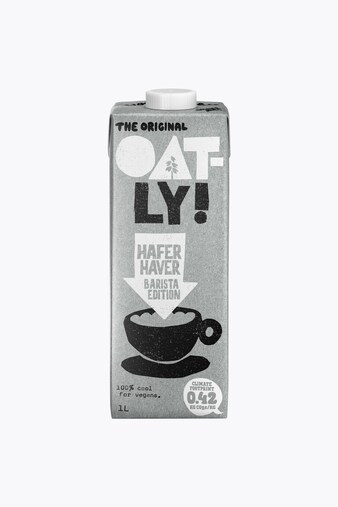

Oatly
Oatly Oat Barista Edition 1l
10,99 zł
10,99 zł / 1 l
Oatly
Oatly Oat Barista Edition 1l
10,99 zł
10,99 zł / 1 l


One&Only
One&Only Pink Superfood Latte Powder 270g
37,00 zł
137,04 zł / 1 kg
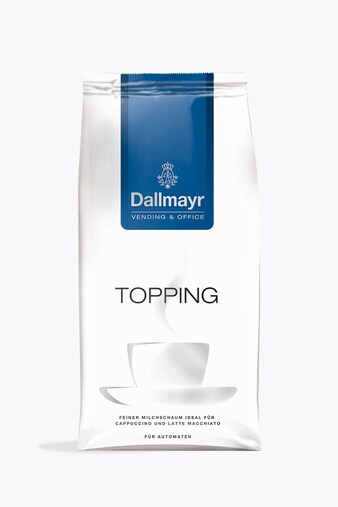

Dallmayr
Dallmayr Topping 1kg
48,00 zł
48,00 zł / 1 kg
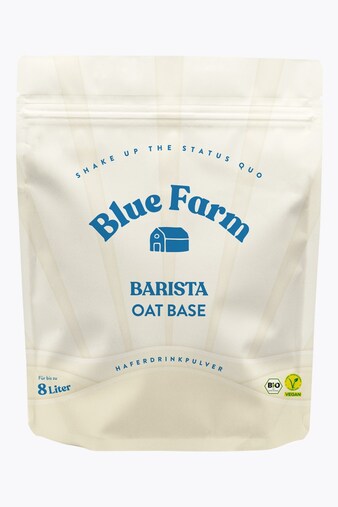

Blue Farm
Blue Farm Barista Oat Base 8L
87,00 zł
108,75 zł / 1 kg
Different milk alternatives suit different brewing habits and drink styles. Oat-based options are often chosen for a rounded texture and reliable foam in espresso drinks, while soy works well when structure and dense milk foam are the priority. Almond-based options bring a lighter texture and a more distinct nutty note that can pair well with iced drinks, brighter roasts, or filter coffee. Barista-style blends are especially relevant when consistency matters across cappuccino, flat white, latte, and other milk-based preparations.
:format(webp))
Texture, ingredient balance, and compatibility with brewing equipment are key when comparing milk alternatives for coffee. A plant-based drink that steams evenly, pours with control, and stays stable in hot coffee supports a more reliable workflow with milk frothers, steam wands, and espresso machines. Flavor matters in a practical way too, because sweeter or more neutral profiles can support chocolate, nutty, or balanced coffees differently than more pronounced alternatives. Looking at foam behavior, mouthfeel, and drink temperature gives clearer buying guidance than focusing on one ingredient alone.
Choosing milk alternatives becomes easier when the full coffee setup is considered together. A richer plant-based option can make more sense alongside darker espresso blends, while a lighter profile may suit pour-over coffee or a cleaner everyday cup. roastmarket supports that decision by pairing milk alternatives with matching coffee machines, precise coffee grinders, and practical accessories for steaming, pouring, and daily coffee preparation, so each routine can be refined around taste, workflow, and the drinks prepared most often.
:format(webp))
The best choice depends on what is in the cup most often. Oat-based options usually work well with espresso and milk-based drinks, soy can deliver more structure in textured milk, and lighter plant-based options can fit iced coffee or filter coffee more naturally. Pairing milk alternatives with coffee machines, coffee grinders, and accessories can help create a setup that feels more consistent from the first morning cup to the last flat white of the day.
Oat-based and barista-style milk alternatives are often chosen for espresso drinks because they can add body, support balanced foam, and sit smoothly alongside darker espresso roasts without overwhelming the cup.
Foam stability depends on the product blend, but barista-style oat and soy alternatives are often preferred when dense foam and reliable texture matter for cappuccino, latte, and flat white preparation.
Oat-based options usually feel rounder and softer, soy often brings more structure in the foam, and almond alternatives tend to be lighter with a more noticeable nutty note. The best match depends on the drink style and the coffee profile.
Texture, foam performance, and flavor profile are usually the most useful comparison points. A milk alternative that steams evenly, pours with control, and stays balanced in hot or iced coffee supports a more consistent coffee routine.
Lighter plant-based options can work especially well in iced coffee or filter coffee when a cleaner texture and a less creamy mouthfeel are preferred. The final choice depends on how much body and sweetness the drink should have.