
Blaek
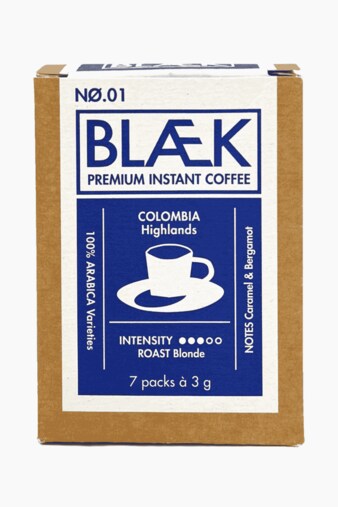
BLÆK Specialty Instant Coffee No. 1 Colombia 21g
20,00 zł
952,38 zł / 1 kg
Blaek
BLÆK Specialty Instant Coffee No. 1 Colombia 21g
20,00 zł
952,38 zł / 1 kg


Lavazza
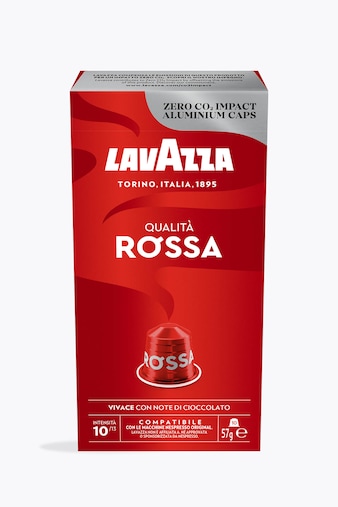
Lavazza Espresso Qualita Rossa 10 Capsules Nespresso® Compatible
19,00 zł
333,33 zł / 1 kg

Lavazza
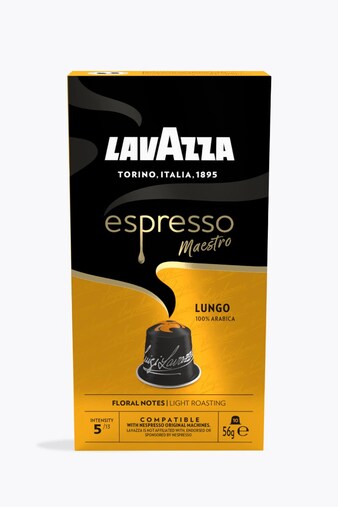
Lavazza Espresso Maestro Lungo 10 Capsules Nespresso® Compatible
16,00 zł
285,71 zł / 1 kg

Blaek
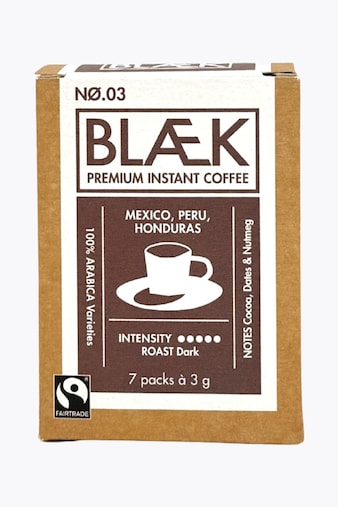
BLÆK Organic Instant Coffee No. 3 Dark Blend 21g
20,00 zł
952,38 zł / 1 kg
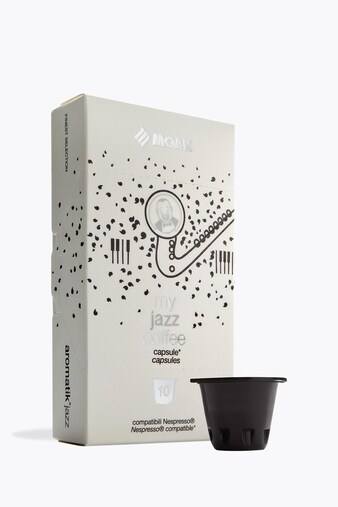

Caffe Moak
Caffe Moak My Aromatik Jazz Coffee 10 Nespresso® Compatible Capsules
20,00 zł
370,37 zł / 1 kg
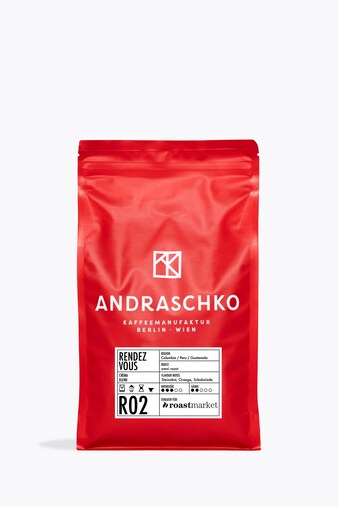
Andraschko
Andraschko Rendez Vous Crema Blend 250g
40,00 zł
160,00 zł / 1 kg
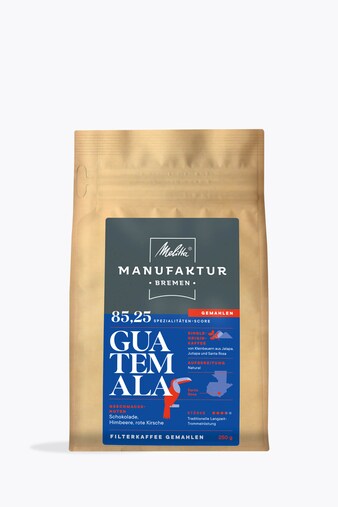

Melitta Manufaktur Bremen
Melitta® Manufaktur Bremen Guatemala Natural 250g ground
32,00 zł
128,00 zł / 1 kg
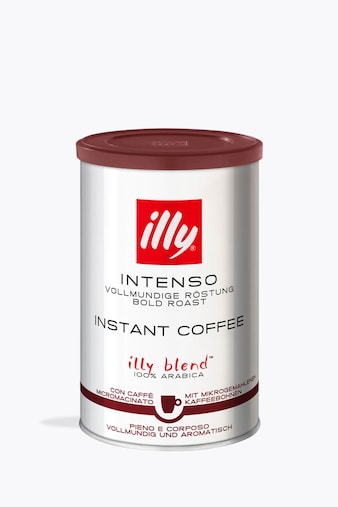

illy
illy Intenso 95g Instant Coffee
36,00 zł
378,95 zł / 1 kg
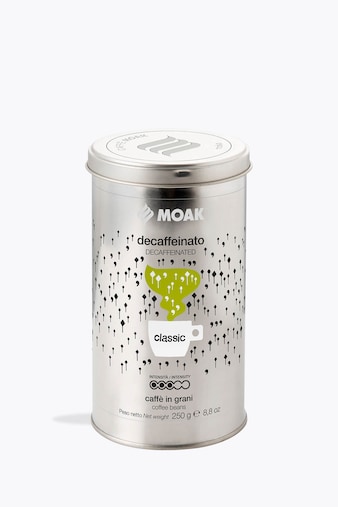

Caffe Moak
Caffè Moak Decaffeinato Classic 250g Can
38,00 zł
152,00 zł / 1 kg
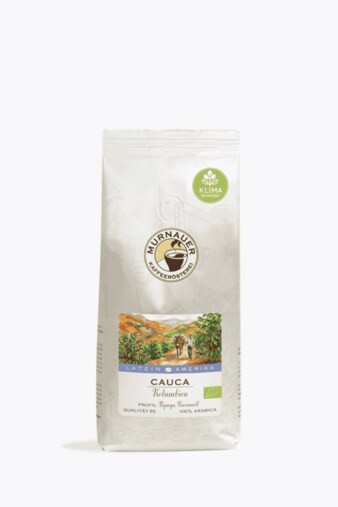

Murnauer
Murnauer Cauca Colombia Organic 250g
40,00 zł
160,00 zł / 1 kg
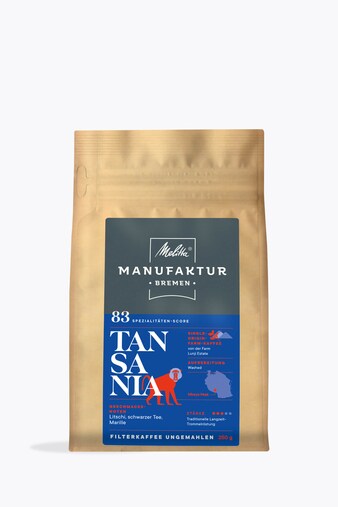

Melitta Manufaktur Bremen
Melitta® Manufaktur Coffee Bremen Tanzania 250g
32,00 zł
128,00 zł / 1 kg
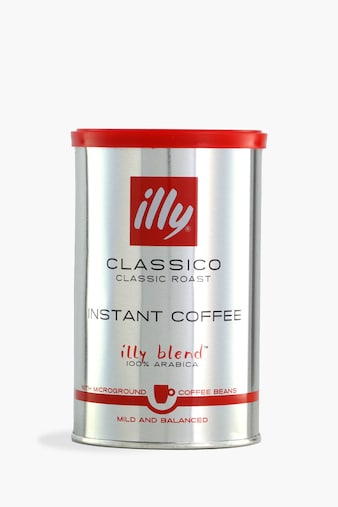

illy
illy Classico 95g Instant Coffee
36,00 zł
378,95 zł / 1 kg
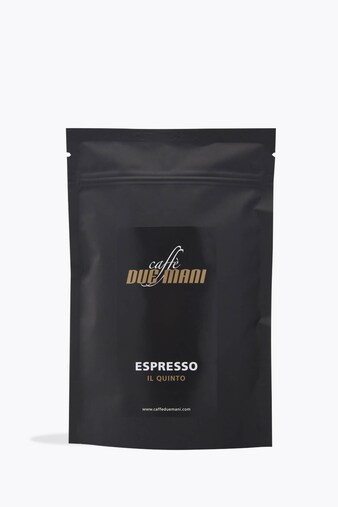

Caffè Due Mani
Caffè Due Mani Espresso Il Quinto 250g
34,00 zł
136,00 zł / 1 kg
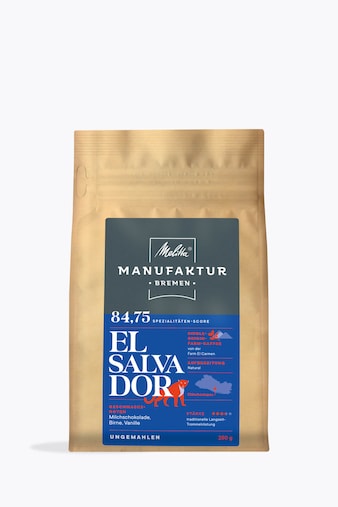

Melitta Manufaktur Bremen
Melitta® Manufaktur Coffee Bremen El Salvador 250g
40,00 zł
160,00 zł / 1 kg
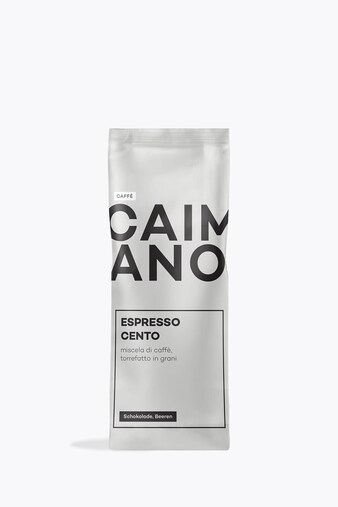


Caffè Caimano
Caffè Caimano Espresso Cento 250g
38,00 zł
152,00 zł / 1 kg
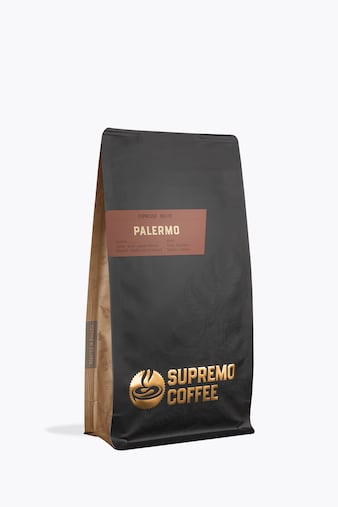


Supremo
Supremo Italia D'Oro No. 6 Palermo 250g
40,00 zł
160,00 zł / 1 kg
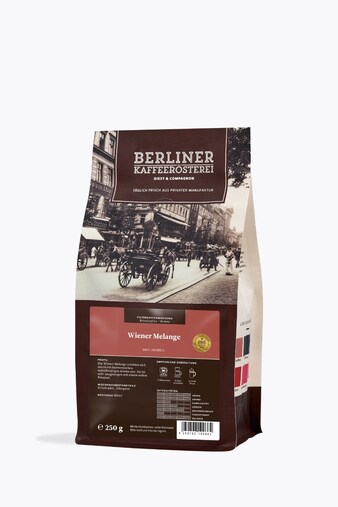
Berliner Kaffeerösterei
Berliner Kaffeerösterei Wiener Melange 250g
40,00 zł
160,00 zł / 1 kg
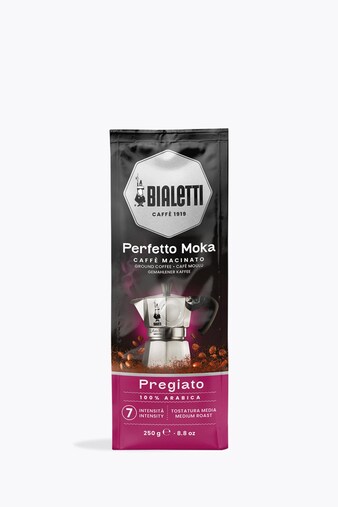

Bialetti
Bialetti Perfetto Moka Pregiato 250g ground
28,00 zł
112,00 zł / 1 kg
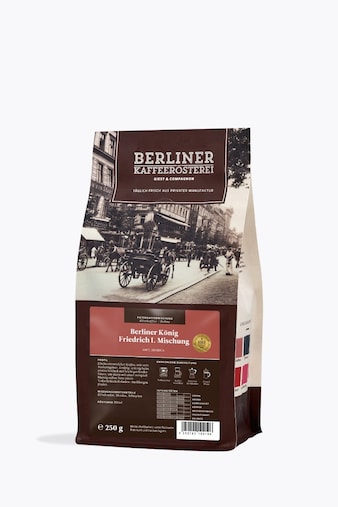
Berliner Kaffeerösterei
Berliner Kaffeerösterei Berliner König Friedrich I. Blend 250g
40,00 zł
160,00 zł / 1 kg
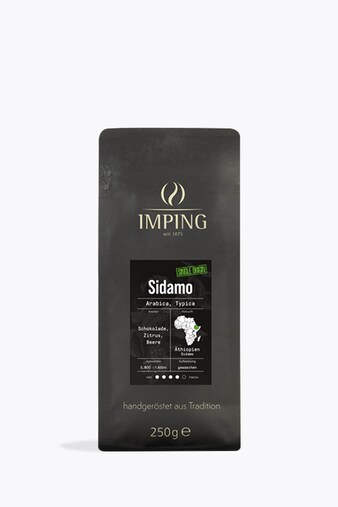

Imping Kaffee
Imping Ethiopian Sidamo 250g
38,00 zł
152,00 zł / 1 kg
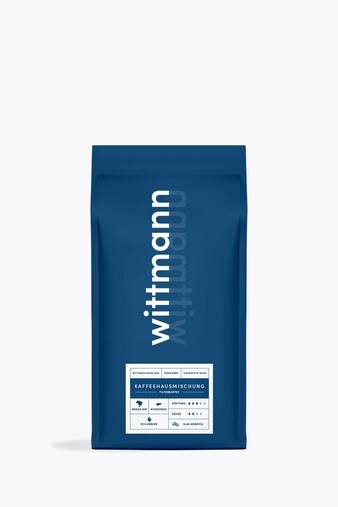


Wittmann Kaffee
Wittmann Kaffee Coffee House Blend 250g
38,00 zł
152,00 zł / 1 kg
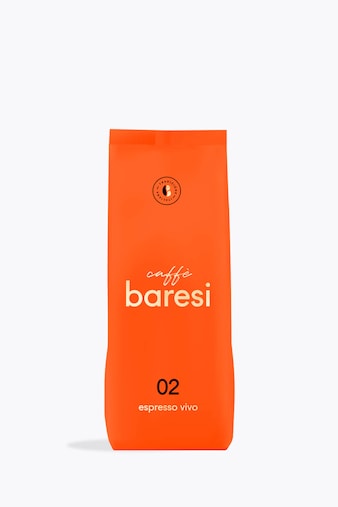


caffè baresi
caffè baresi Espresso Vivo 250g
40,00 zł
160,00 zł / 1 kg
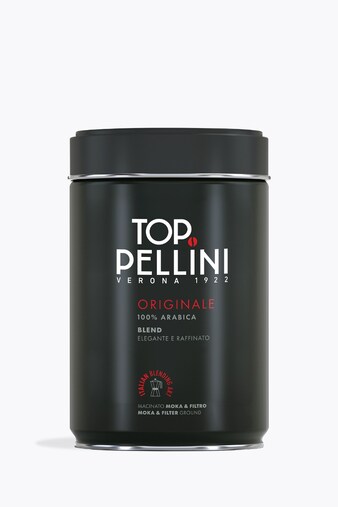

Pellini
Pellini Top Originale 100% Arabica 250g ground can
40,00 zł
160,00 zł / 1 kg
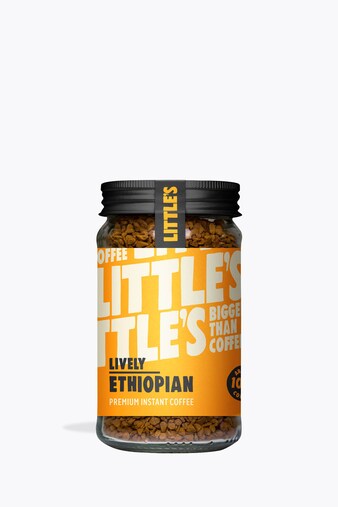

Littles
Little's Ethiopian Premium Instant Coffee 50g
34,00 zł
680,00 zł / 1 kg
Fruity Notes stand out when coffee shows the kind of clarity, sweetness, and lively acidity that make flavors like berry, citrus, stone fruit, or tropical fruit easy to recognize. That matters for anyone looking for a cup with more dimension than classic chocolate or nut profiles alone. Fruity character is often linked to origin, variety, processing method, and roast development, which is why coffees from high-altitude regions and carefully handled lots can taste vivid, layered, and precise rather than simply intense. Choosing the right coffee starts with understanding how these notes shape the overall profile in filter brews, espresso, and modern home brewing routines.
:format(webp))
Some coffees lean toward red berries and ripe stone fruit, while others move into citrus, floral, or tropical territory. Light and medium roast profiles often preserve these distinctions more clearly, especially in whole beans prepared as pour-over brewers, AeroPress, or French Press. Natural and honey processing can build more fruit-driven sweetness and density, while washed coffees often present a cleaner and more defined structure. That makes fruity coffee relevant for very different preferences, from bright filter coffee with crisp acidity to expressive espresso with layered fruit notes and a more refined finish.
Buying guidance becomes more useful when fruity coffee is compared through practical criteria rather than broad flavor promises. Origin can point toward likely flavor families, but processing method, roast level, and brewing setup often decide how clearly those notes appear in the cup. A fruit-forward coffee for a hand filter can behave differently in a coffee machine or a moka pot, and grind quality matters just as much as bean quality. Matching a fruit-driven profile with the right grinder, brew ratio, and extraction style helps preserve sweetness, control acidity, and bring more balance to coffees that might otherwise taste too sharp or too muted.
:format(webp))
Finding the right fruity coffee becomes easier when flavor notes are connected to brewing habits, roast preference, and the rest of a setup. A bright and elegant profile can be refined further with filter coffee, a fruit-led espresso can be paired with coffees made for espresso machines, and a more exploratory routine often benefits from the right accessories, coffee scales, or tasting sets. That creates a more informed buying decision and helps connect fruity notes with brewing method, equipment, and other aroma directions such as floral, chocolate notes, or nutty notes.
Coffee with fruity notes shows a flavor profile that recalls berries, citrus, stone fruit, or tropical fruit. These notes develop naturally through origin, variety, processing, and roast level rather than through added flavoring. Fruity coffees often taste bright, layered, and expressive, with acidity that gives the cup more definition and clarity.
Fruity notes are especially common in high-grown Arabica coffees, since Arabica varieties often reveal more complex and delicate flavor nuances. Coffees from regions such as Ethiopia, Kenya, Colombia, or Costa Rica are often associated with berry, citrus, or stone fruit notes. Processing methods such as natural or washed processing can shape how clearly these notes appear in the cup.
Fruity coffee often shows the most clarity when brewed with methods that highlight detail and structure. Pour-over brewers, AeroPress, and French Press can make berry, citrus, or floral nuances easier to notice, especially when the coffee is freshly ground. Grind size, water temperature, and brew time all influence how balanced and defined the fruit notes taste in the final cup.
Fruity coffee and sour coffee are not the same. Fruity notes describe aroma and flavor associations such as berry, citrus, or stone fruit, while sourness usually points to an unbalanced cup. When coffee is well roasted and prepared with the right extraction, fruity notes can taste lively and precise rather than harsh or thin.
Fruity coffee can work very well as espresso when the roast profile, bean quality, and extraction are matched carefully. Some espressos highlight red fruit, citrus, or stone fruit notes with a dense body and layered finish, while others are built for a more classic chocolate-forward profile. Fruity espresso is especially interesting for anyone who prefers a brighter and more distinctive cup.


