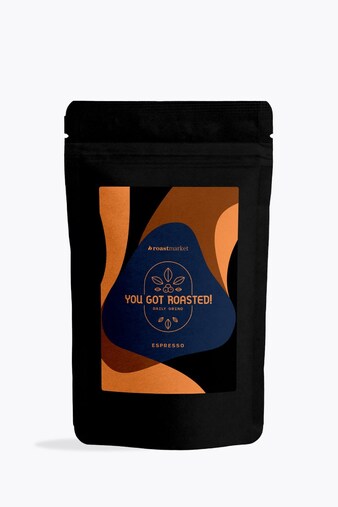


roastmarket you got roasted
roastmarket you got roasted! Espresso Daily Grind Organic 500g
20.00 CHF
40.00 CHF / 1 kg
roastmarket you got roasted
roastmarket you got roasted! Espresso Daily Grind Organic 500g
20.00 CHF
40.00 CHF / 1 kg
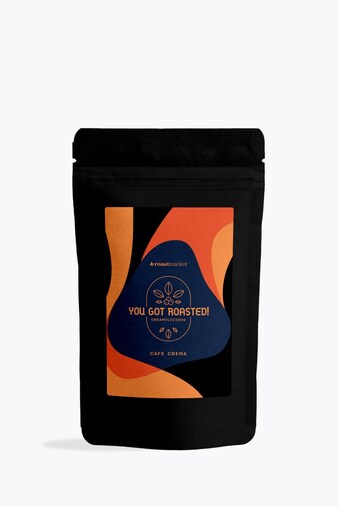


roastmarket you got roasted
roastmarket you got roasted! Cafe Crema Creamylicious Organic 250g
12.00 CHF
48.00 CHF / 1 kg
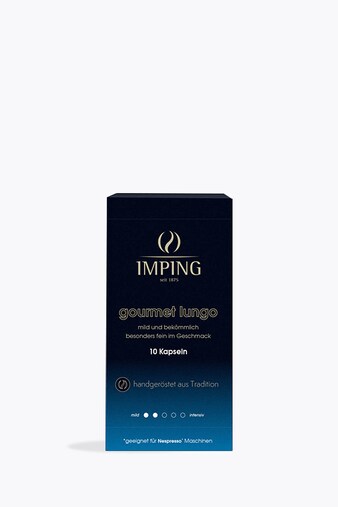

Imping Kaffee
Imping Gourmet Lungo 10 Capsules Nespresso® Compatible
4.00 CHF
80.00 CHF / 1 kg
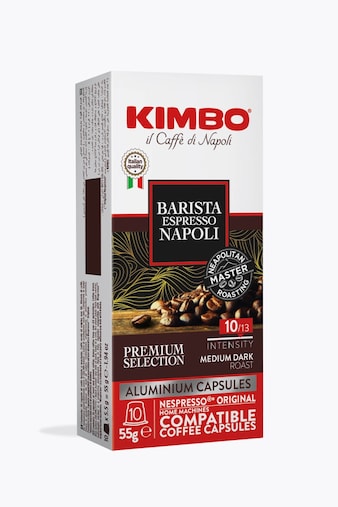

Kimbo
Kimbo Napoli 10 Capsules Nespresso® Compatible
5.00 CHF
90.91 CHF / 1 kg
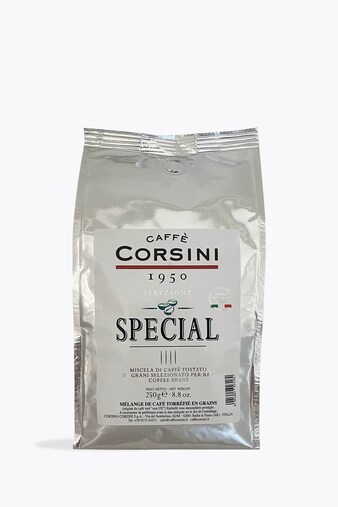

Caffè Corsini
Caffè Corsini Special 250g
8.00 CHF
32.00 CHF / 1 kg
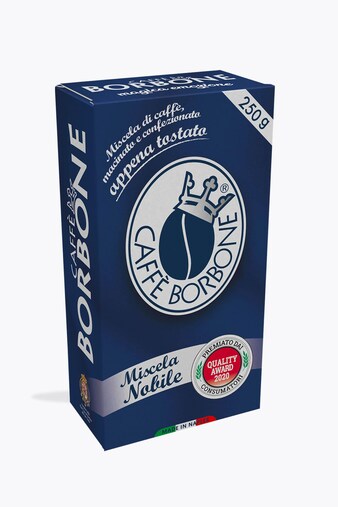

Caffè Borbone
Caffè Borbone Bag 250g Ground
7.00 CHF
28.00 CHF / 1 kg
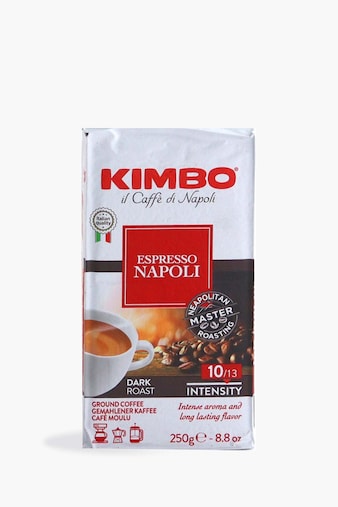

Kimbo
Kimbo Espresso Napoli 250g ground
8.00 CHF
32.00 CHF / 1 kg
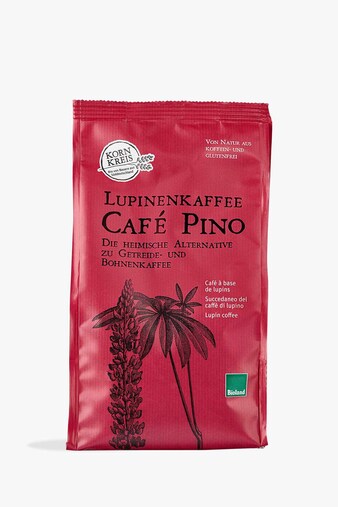

Kornkreis
Kornkreis Café Pino Lupine Coffee Organic 500g Ground
8.00 CHF
16.00 CHF / 1 kg
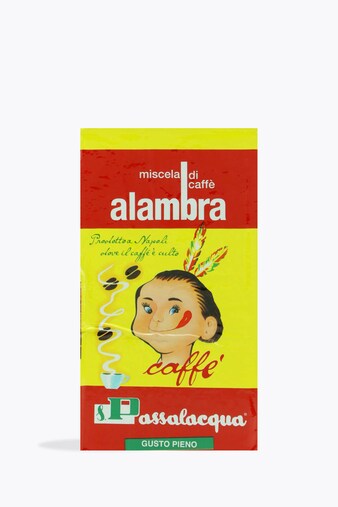

Passalacqua
Passalacqua Alambra 250g ground
8.00 CHF
32.00 CHF / 1 kg
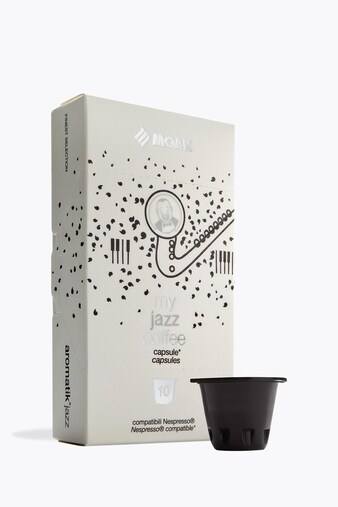

Caffe Moak
Caffe Moak My Aromatik Jazz Coffee 10 Nespresso® Compatible Capsules
6.00 CHF
111.11 CHF / 1 kg
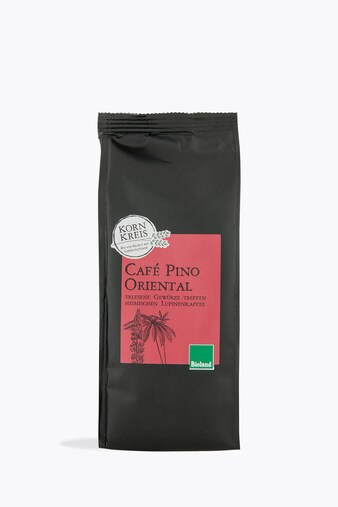

Kornkreis
Kornkreis Café Pino Oriental Lupin Coffee Organic 250g Ground
6.00 CHF
24.00 CHF / 1 kg
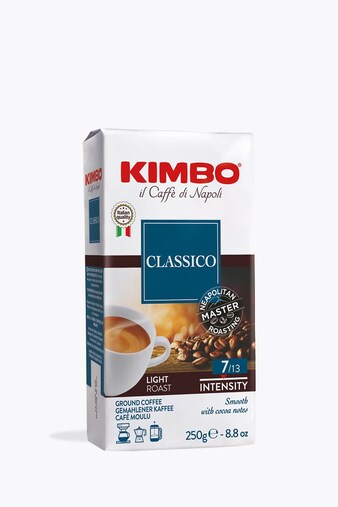

Kimbo
Kimbo Classico 250g Ground
7.00 CHF
28.00 CHF / 1 kg
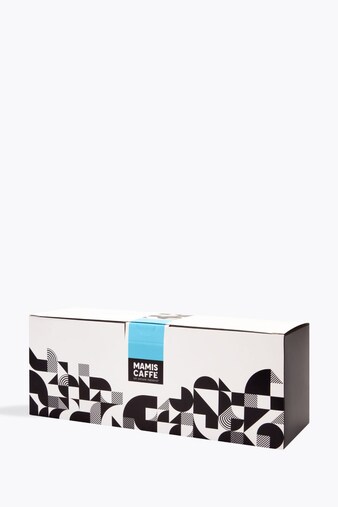

Mamis Caffè
Mamis Caffè Amabile 15 E.S.E. Pods
8.00 CHF
76.19 CHF / 1 kg
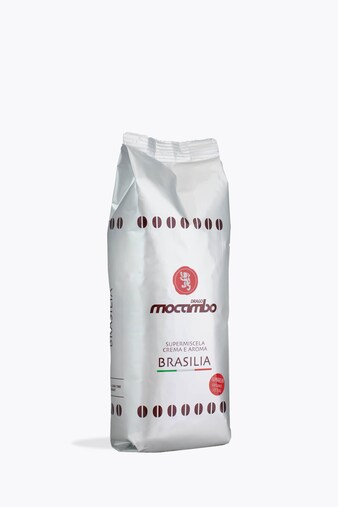

Drago Mocambo
Drago Mocambo Brasilia 250g ground
8.00 CHF
32.00 CHF / 1 kg
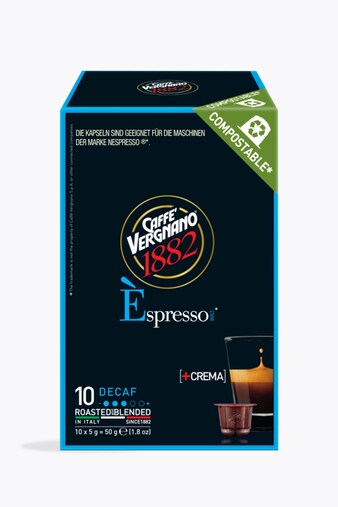

Caffè Vergnano
Caffè Vergnano Decaf 10 Capsules Nespresso® Compatible
6.00 CHF
120.00 CHF / 1 kg
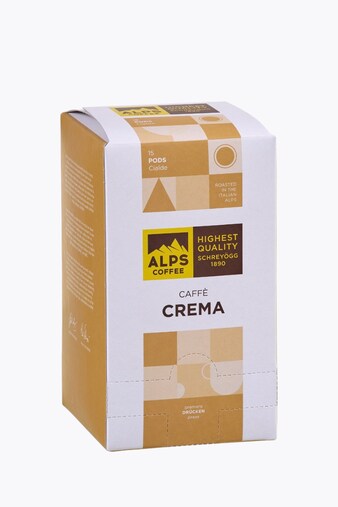

Alps Coffee
Alps Coffee Caffè Crema 15 Pods
8.00 CHF
80.00 CHF / 1 kg


Miscela d'Oro
Miscela D'Oro Blue Decaf 10 Capsules Nespresso® Compatible
5.00 CHF
100.00 CHF / 1 kg
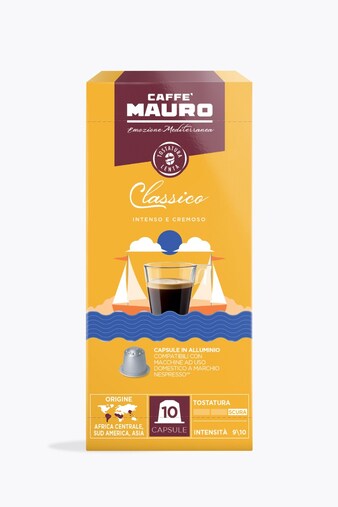

Caffe Mauro
Caffè Mauro Classico 10 Nespresso® Compatible Capsules
4.00 CHF
72.73 CHF / 1 kg
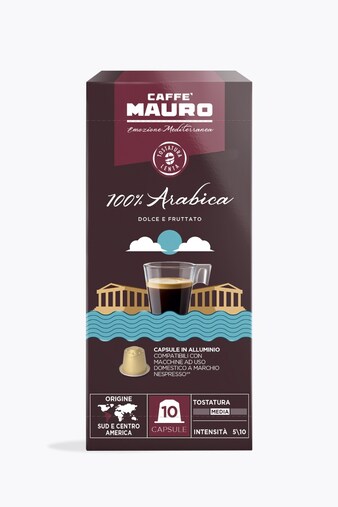

Caffe Mauro
Caffè Mauro 100% Arabica 10 Capsules Nespresso® Compatible
4.00 CHF
72.73 CHF / 1 kg
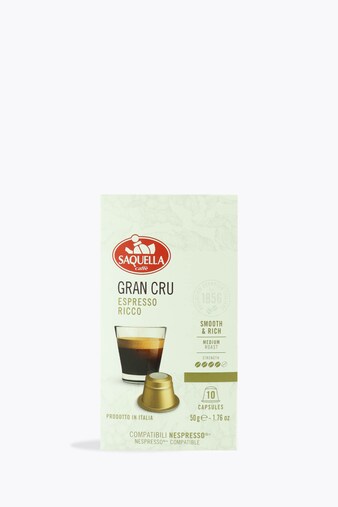

Saquella Caffè
Saquella Bar Italia Gran Cru 100% Arabica 10 Capsules Nespresso® Compatible
4.00 CHF
80.00 CHF / 1 kg
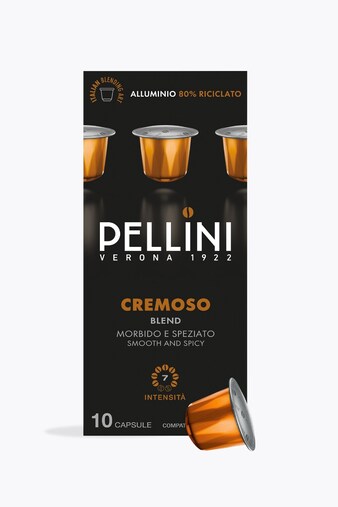

Pellini
Pellini Cremoso 10 Nespresso® Compatible Capsules
5.00 CHF
90.91 CHF / 1 kg
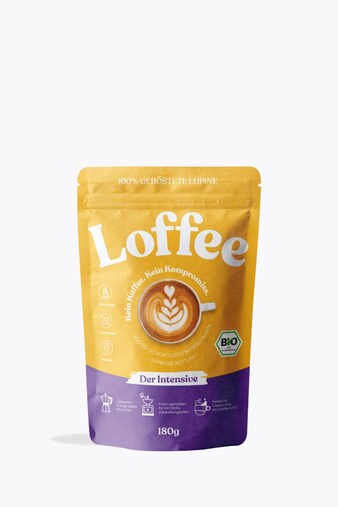


Loffee
Loffee The Intense Lupin Coffee Organic 180g Ground
4.00 CHF
22.22 CHF / 1 kg
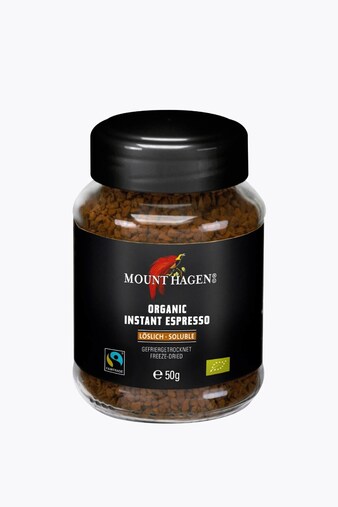

Mount Hagen
Mount Hagen Organic Instant Espresso Bio Fairtrade 50g
5.00 CHF
100.00 CHF / 1 kg
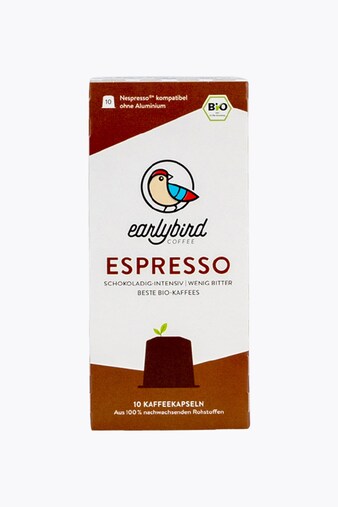

earlybird coffee
earlybird coffee Espresso Organic 10 Capsules Nespresso® Compatible
4.00 CHF
76.92 CHF / 1 kg
Aroma Notes help translate coffee into recognizable taste profiles that make selection easier and more meaningful. Instead of choosing only by roast name or origin, coffees can be compared through clearer sensory directions such as fruity, nutty, chocolatey, floral, sweet, spicy, or roasty. That creates more orientation for anyone looking to match coffee with personal taste, brewing habits, or a specific style in the cup. Aroma Notes are especially useful when the goal is not just to buy coffee, but to understand why one coffee feels brighter, softer, deeper, or more structured than another.
:format(webp))
Different Aroma Notes point to very different coffee experiences. Fruity profiles can feel lively and expressive, nutty coffees often bring roundness and familiarity, and chocolate-led coffees are frequently associated with more depth and comfort. Floral profiles tend to appear more delicate and aromatic, while roasty notes can create a darker, fuller direction. These differences are shaped by origin, variety, processing, and roast profile, which is why coffees from different producing regions can feel far apart even when brewed with the same method. Exploring fruity notes, nutty notes, chocolate notes, or other flavor families creates a more useful way to compare coffees than generic strength labels alone.
Coffee develops its Aroma Notes through a combination of variety, origin, altitude, climate, processing, and roasting. Arabica often shows more refined and layered profiles, while Robusta can bring stronger, earthier character and more intensity. Roasting then shapes how those characteristics become noticeable in the cup. Lighter roasts can emphasize origin-driven detail, while darker roasts may push coffees toward fuller, sweeter, or more roasty directions. Brewing method changes the experience further. Filter coffee can highlight transparency and softer fruit or floral notes, while espresso often brings out denser chocolatey, nutty, and body-driven profiles. That is why buying by Aroma Notes works best when taste preference, roast style, and preparation method are considered together.
:format(webp))
roastmarket helps turn Aroma Notes into practical buying guidance by linking flavor direction with roast style, coffee type, and brewing context. That makes it easier to move from broad preferences to more specific choices, whether the search starts with coffee, whole beans, ground coffee, or a matching preparation style such as pour over, French Press, or espresso machines. A more focused selection can also be supported through curated tasting sets and complementary accessories that help refine how those flavor notes appear in daily brewing.
Coffee aroma notes are volatile compounds that shape how coffee smells and tastes. They begin in the bean itself and develop further through origin, processing and roasting. During roasting, sugars and amino acids react and create the complex aromatic profile released during grinding and brewing.
Coffee aroma notes are often grouped into categories such as fruity, floral, nutty, chocolatey and spicy. Within those groups, there can be many more specific impressions, from citrus and berries to almond, cocoa, cinnamon or caramel.
The easiest way is to use aroma-based filters and read the flavour descriptions on each coffee. Terms such as chocolatey, fruity or nutty help narrow the range and make it easier to choose coffees that match your personal taste.
Roasting has a major influence on aroma. Lighter roasts usually preserve more of the bean's original fruit and floral character. Darker roasts shift the profile toward deeper roast notes such as chocolate, nuts and caramel and often create a fuller, bolder cup.
Aroma is mainly perceived through the nose and refers to the fragrant compounds released during grinding and brewing. Taste is perceived on the tongue and covers the basic sensations such as sweetness, bitterness and acidity. Together, they create the full sensory experience of coffee.
Store coffee in a cool, dry and dark place and protect it from oxygen, moisture and light. An airtight coffee canister or the original bag with an aroma valve helps preserve freshness. Whole beans also keep their aroma longer than pre-ground coffee.