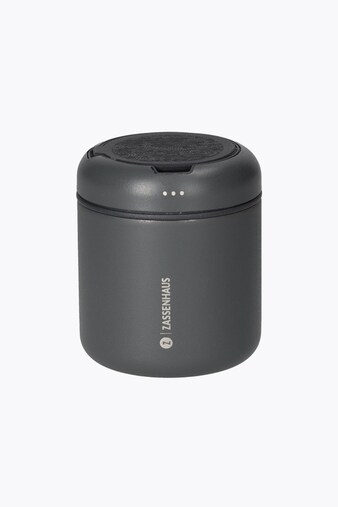


Zassenhaus
Zassenhaus Coffee Can AROMA, 30g
150,00 kr.
Zassenhaus
Zassenhaus Coffee Can AROMA, 30g
150,00 kr.
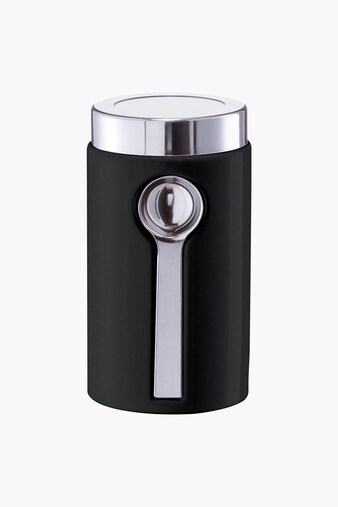

Zeller Present
Zeller Present Storage Container with Spoon, Ceramic/Stainless Steel, Black
135,00 kr.
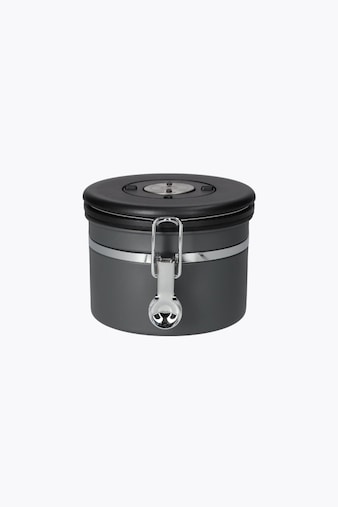
Zassenhaus
Zassenhaus Coffee Can AROMA, 250g
187,00 kr.
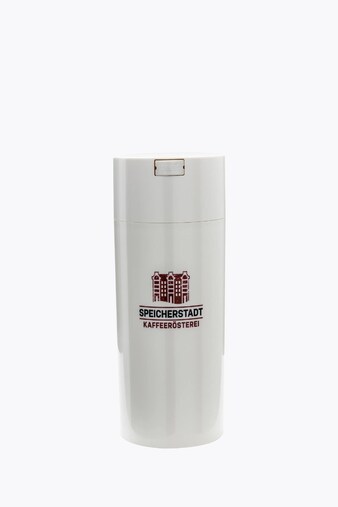

Speicherstadt
Speicherstadt Coffeevac Can 2.35l
165,00 kr.
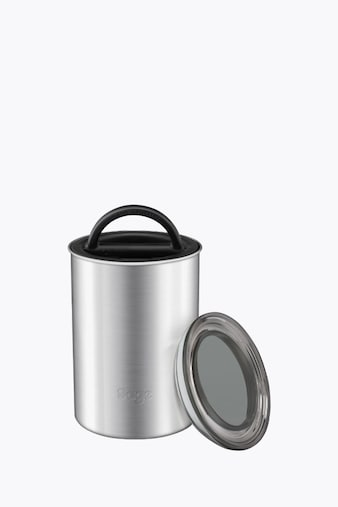

Sage
Sage the Bean Keeper Coffee Canister™ Coffee Canister
367,00 kr.
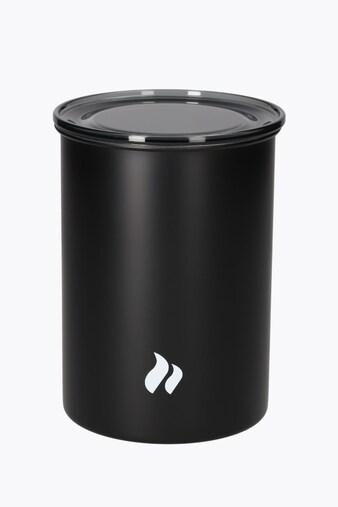


roastmarket
Airscape roastmarket Coffee Canister airtight 500g Matte Black
337,00 kr.359,00 kr.
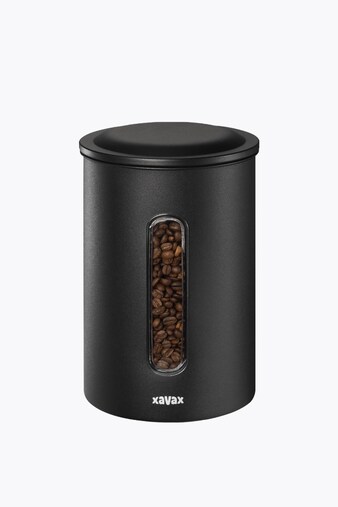


Xavax
Xavax Coffee Canister Black 1.3kg
195,00 kr.225,00 kr.
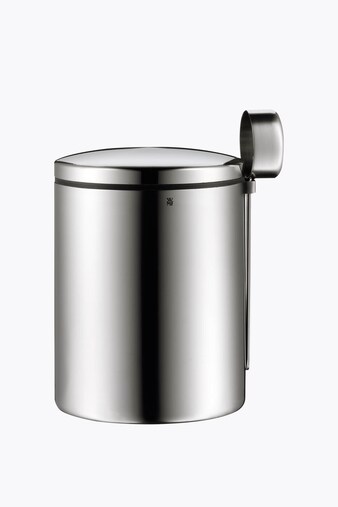

WMF
WMF Kult Coffee Canister with Coffee Spoon
427,00 kr.471,00 kr.
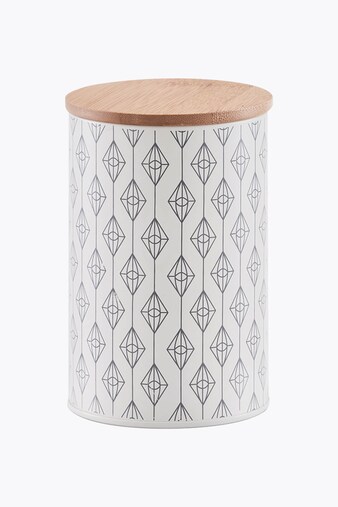

Zeller Present
Zeller Present Metal Storage Canister 1l Gray
60,00 kr.72,00 kr.
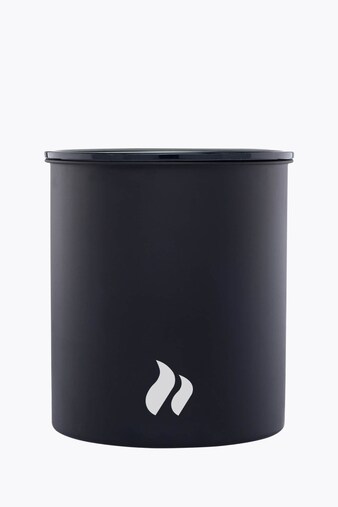
roastmarket
Airscape roastmarket Coffee Canister Airtight 1kg Matte Black
374,00 kr.441,00 kr.
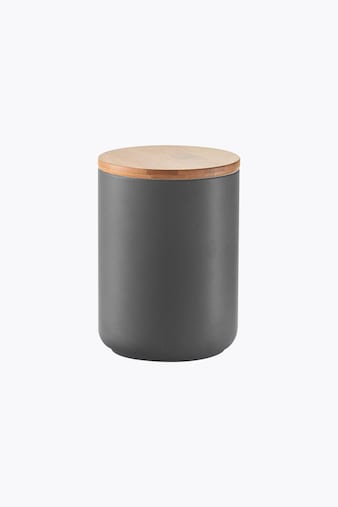


Zeller Present
Zeller Present Coffee Canister 650ml Anthracite
90,00 kr.113,00 kr.
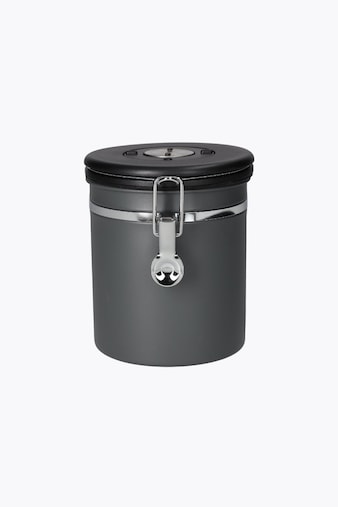
Zassenhaus
Zassenhaus Coffee Can AROMA, 500g
180,00 kr.225,00 kr.
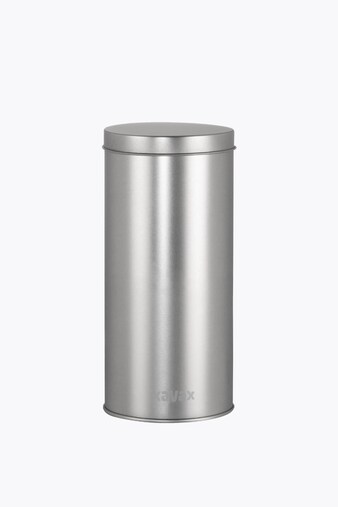


Xavax
Xavax Coffee Pod Can for 20 Senseo® Pods Silver
53,00 kr.68,00 kr.
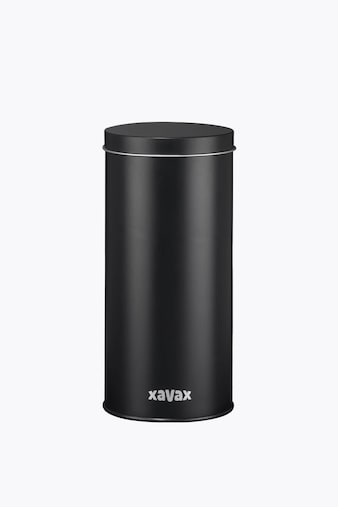
Xavax
Xavax Coffee Pod Canister for 20 Senseo Pads® Black
53,00 kr.68,00 kr.
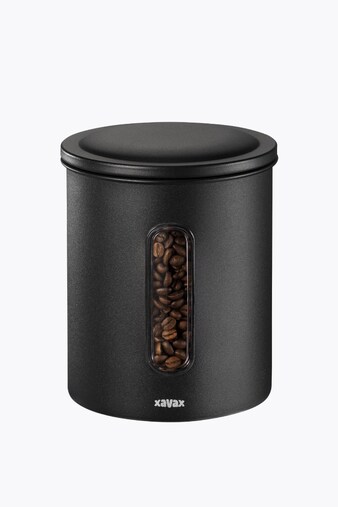
Xavax
Xavax Coffee Canister 500g Black
135,00 kr.172,00 kr.
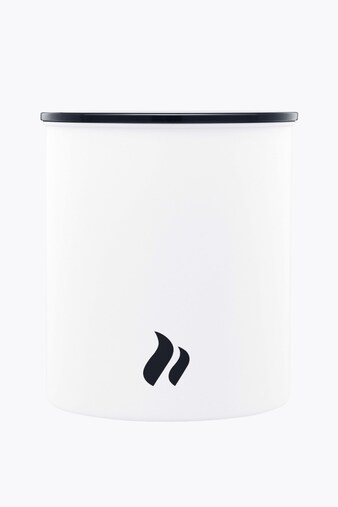

roastmarket
Airscape roastmarket coffee can airtight 1kg white
374,00 kr.441,00 kr.
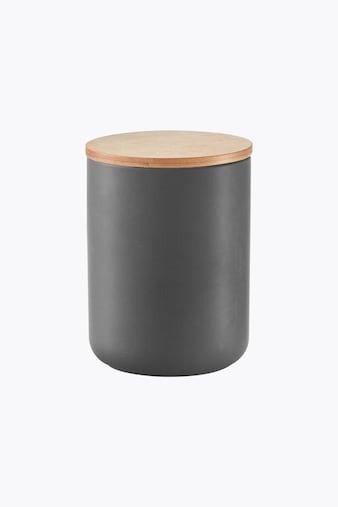
Zeller Present
Zeller Present Coffee Canister 1.15l Anthracite
105,00 kr.142,00 kr.
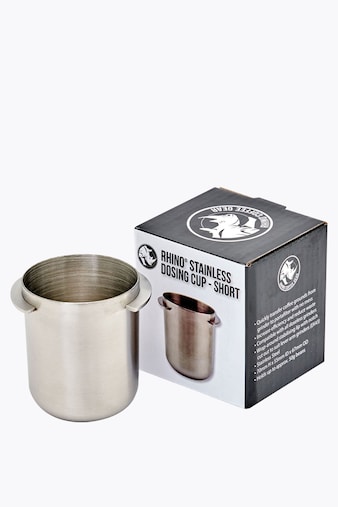

Rhinowares
Rhinowares Dosing Cup - Short
105,00 kr.150,00 kr.
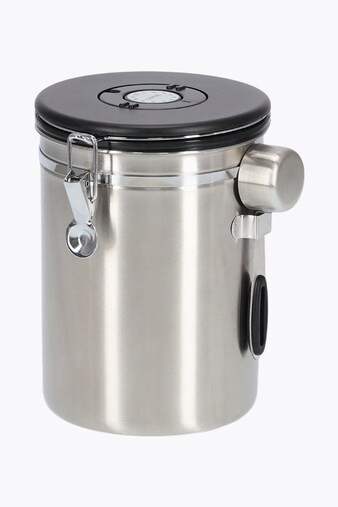


Zeller Present
Zeller Coffee Canister with Spoon 2700ml Stainless Steel/Plastic
157,00 kr.232,00 kr.
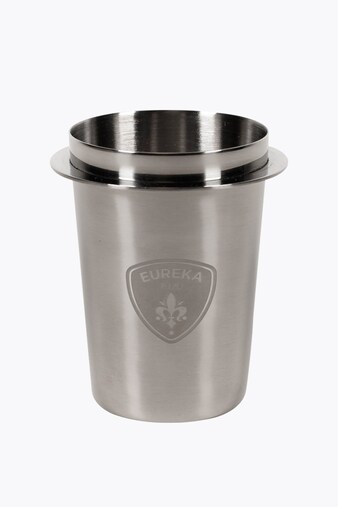

Eureka
Eureka Dosing Cup
165,00 kr.247,00 kr.
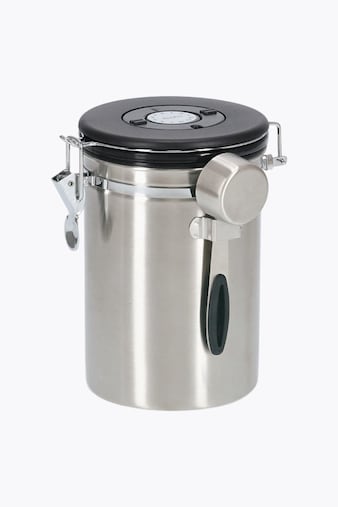
Zeller Present
Zeller Coffee Canister with Spoon 1700ml Stainless Steel/Plastic
120,00 kr.187,00 kr.
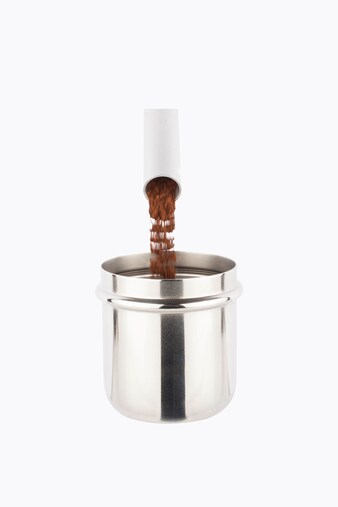

Motta
Motta Coffee Dosing Container 60mm
53,00 kr.83,00 kr.
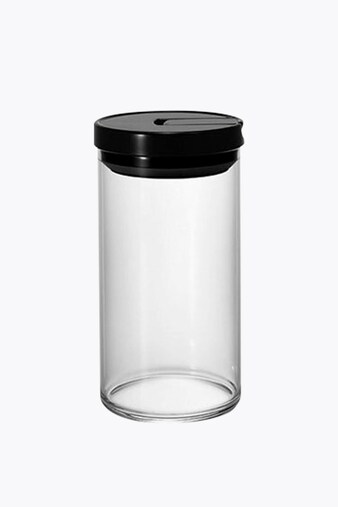

Hario
Hario Glass Container L 1l
98,00 kr.187,00 kr.
roastmarket Coffee Canisters help preserve the flavor, aroma, and texture that make fresh coffee worth choosing in the first place. Oxygen, light, moisture, and kitchen odors can flatten whole beans and ground coffee far faster than many brewing routines allow, especially when a bag stays open for days or weeks. A well-made coffee canister creates a more stable storage environment, keeps daily handling simple, and supports a better cup across espresso, filter coffee, and every method in between.
:format(webp))
Different storage habits call for different canister styles. Some coffee canisters are built for smaller portions and fast turnover, while others suit larger quantities of whole beans or multi-bag restocks. Airtight lids, vacuum-inspired mechanisms, and one-way valve concepts all serve different workflows, just as wide openings, slim formats, or stackable shapes suit different kitchens. For anyone switching between espresso, filter coffee, or manual brewers, storage size and access can matter just as much as the seal itself.
Material choice has a direct effect on storage performance and handling. Stainless steel is popular for its durability, opacity, and neutral character, while ceramic can bring a more tactile finish and a strong visual fit in design-led kitchens. Glass canisters can work well when light exposure is controlled, but the sealing system matters more than appearance alone. A reliable coffee canister should feel secure in daily use, open and close cleanly, and match the amount of coffee used within a reasonable time frame. Capacity, lid design, ease of cleaning, and compatibility with shelves, counters, or home barista setups all help narrow down the right option.
:format(webp))
The best coffee canister fits into a broader routine rather than standing on its own. Freshly stored beans pair naturally with grinders that support precise dosing, with coffee machines that match the chosen roast style, and with accessories that keep preparation consistent from day to day. For a more refined setup, it also makes sense to combine storage with coffee selected for espresso machines, pour over, or French press, so every step supports freshness, flavor clarity, and a more reliable brewing rhythm at home.
A high-quality coffee canister helps protect coffee from light, oxygen, moisture, and outside odours. This is important because these factors can gradually reduce aroma and freshness, even if the coffee does not spoil quickly.
Good coffee canisters are usually made from food-safe, odour-neutral materials. Stainless steel and ceramic are especially popular because they help block light and do not interfere with the coffee’s aroma. Glass can also work well when protected from light.
An aroma valve can be useful for freshly roasted coffee because beans continue to release carbon dioxide after roasting. The valve lets gas escape while reducing outside air intake, which can help slow oxidation and support better aroma retention.
For best storage, transfer coffee beans into the canister and keep it in a cool, dry, and dark place. Avoid the refrigerator because moisture and foreign odours can affect the coffee and reduce the quality of the aroma.
Clean a coffee canister regularly so coffee oils do not build up inside and affect the flavour of new beans. Warm water and a mild cleaner are usually enough. The canister should be thoroughly rinsed and fully dried before being used again.
The right coffee canister depends on how much coffee is stored, how quickly it is used, and whether features such as an aroma valve are important. A tightly closing, light-protective, food-safe canister is usually a strong everyday choice.